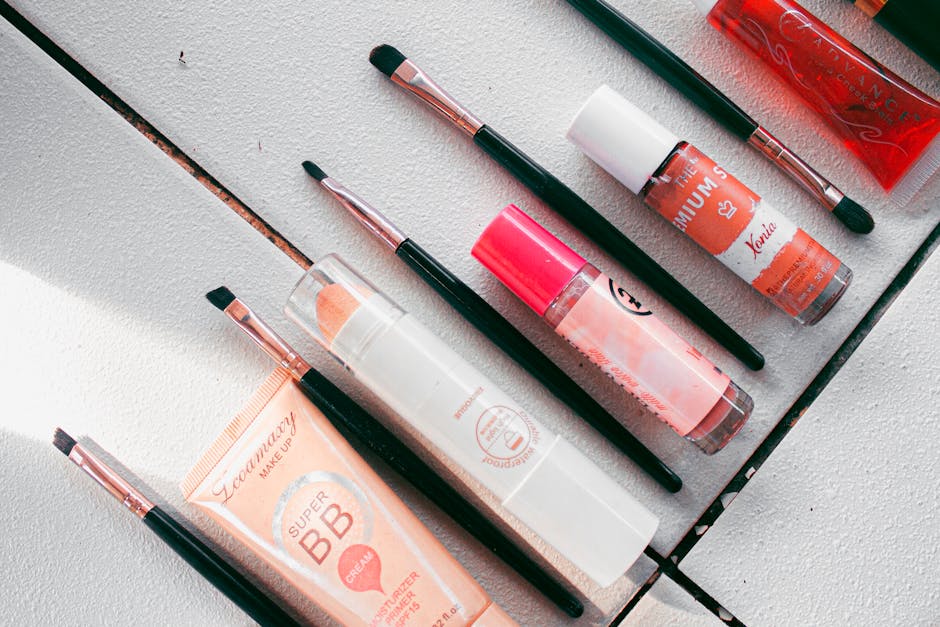
A summer skincare routine is not simply your winter routine with an SPF tacked on at the end. Warmer temperatures, higher humidity, increased sun exposure and more time outdoors all change what your skin actually needs. This guide walks you through every step, from the morning cleanse to overnight repair, so your skin stays healthy, balanced and protected all summer long.
Why Your Skin Behaves Differently in Summer
Heat increases sebum production, which means even dry skin types can experience congestion and shine between June and August. Humidity affects how quickly products absorb, and UV exposure accelerates the breakdown of the skin barrier. Understanding these changes is the first step to adapting your routine properly.
The good news is that summer usually calls for fewer products, not more. Stripping back heavy layers and focusing on targeted, lightweight formulas almost always gives better results.
Step-by-Step: Your Morning Routine
Step 1: Gentle Cleanse
Start with a gentle, low-pH gel or foam cleanser. In summer, a double cleanse in the morning can be too stripping. One thorough cleanse removes overnight sweat and keeps the barrier intact.
Step 2: Lightweight Serum
Swap out heavier, oil-based serums for water-based formulas. Hyaluronic acid serums work brilliantly in summer because they draw moisture from the air into the skin rather than relying on occlusive oils. Vitamin C is also worth incorporating here as it provides antioxidant protection that complements your SPF.
Step 3: Moisturiser (Yes, Still)
Many people skip moisturiser in summer, and this is a mistake. Opt for a gel-cream or fluid lotion rather than a rich balm. Look for ingredients like niacinamide (which regulates sebum) and ceramides (which support the barrier). A good fluid moisturiser should feel like nothing on the skin within sixty seconds of application.
Step 4: SPF (Non-Negotiable)
This is the most important step in any summer skincare routine. Use a broad-spectrum SPF 50 as your final step every single morning, regardless of whether you plan to be outdoors. UV rays penetrate windows and cloud cover. Chemical SPFs tend to sit more invisibly under makeup, while mineral SPFs (containing zinc oxide or titanium dioxide) are better suited to sensitive or reactive skin. For a curated selection, see our guide to the 9 best SPF moisturisers for every skin type.

Ingredients to Prioritise in Summer
- Hyaluronic acid: lightweight hydration without greasiness
- Niacinamide: controls shine and minimises pores
- Vitamin C: antioxidant defence against UV-induced free radicals
- Azelaic acid: keeps heat-triggered redness and pigmentation in check
- Centella asiatica: soothes inflammation caused by sun and heat
Ingredients to Reduce or Avoid
- Heavy oils and balms: these can clog pores in heat and humidity
- Retinol (daytime use): increases photosensitivity, move this to your evening routine only
- Exfoliating acids (overuse): a couple of times a week is plenty when UV exposure is high
Your Evening Routine: Focus on Repair
The evening is when your skin does its best recovery work. After sun exposure, your routine should prioritise repair and hydration above all else.
- Double cleanse: remove SPF, sweat and pollution thoroughly. An oil cleanser followed by a gentle foaming cleanser is the most effective method.
- Hydrating toner or essence: a few layers of a lightweight hydrating toner help replenish moisture lost through perspiration and sun exposure.
- Treatment serum: this is where retinol, exfoliating acids (used on alternating nights) or pigmentation-targeting ingredients fit. Keep these for evenings only in summer.
- Richer night moisturiser: even in summer, skin benefits from a slightly richer moisturiser overnight. Look for formulas with peptides and ceramides to support overnight barrier repair.
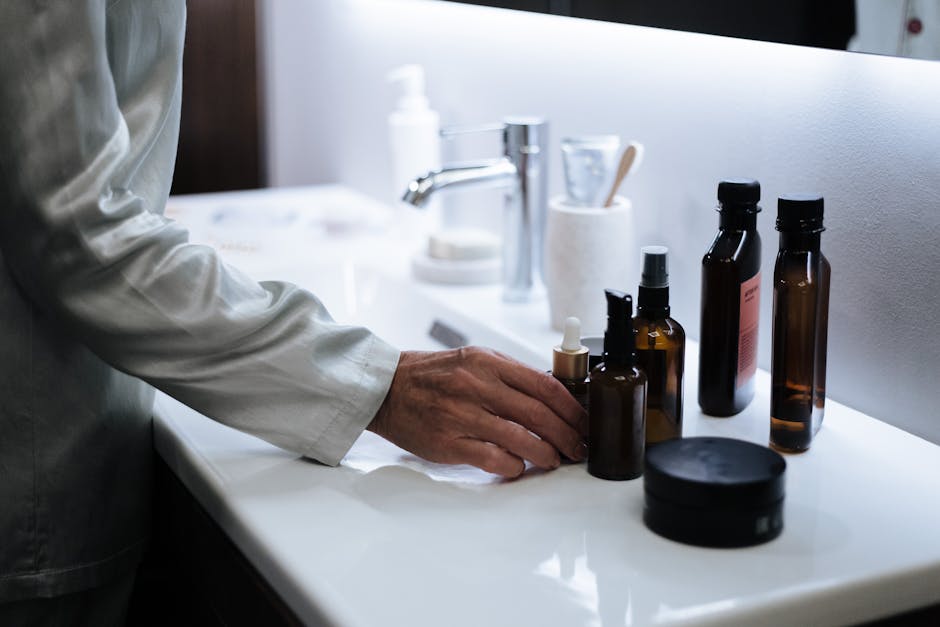
Post-Sun Repair: What to Do After a Day Outside
If you have spent a long day in the sun, your regular evening routine needs a small upgrade. Post-sun skin is often dehydrated, mildly inflamed and stripped of antioxidants.
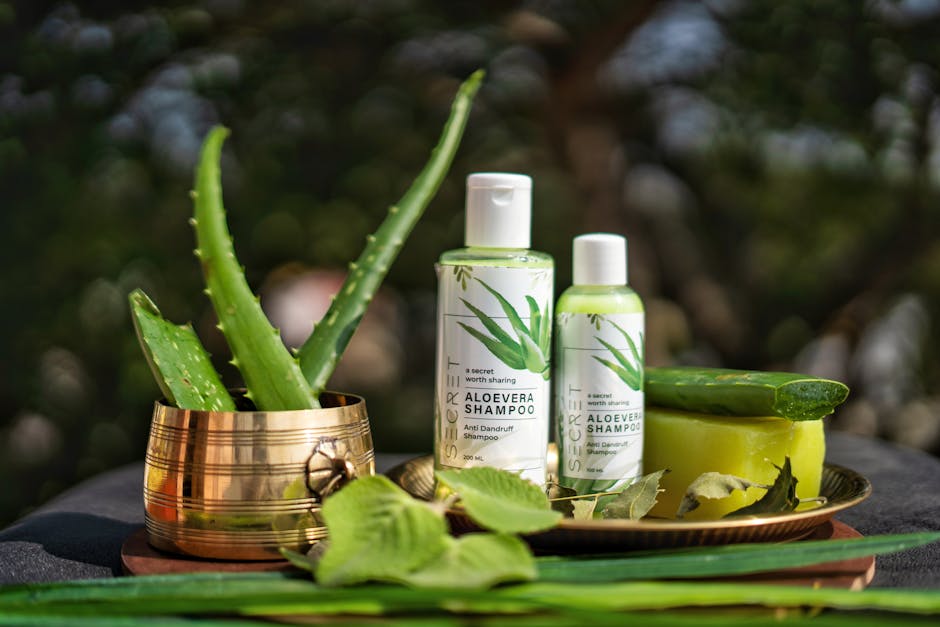
Start with a cool (not cold) shower to bring the skin temperature down, then apply a generous layer of aloe vera gel before the rest of your routine. Aloe contains aloesin, a compound that calms inflammation and temporarily reduces redness. Follow with a hydrating serum and a barrier-supporting moisturiser. Skip any active ingredients such as acids or retinol on these nights and let the skin simply recover. For more targeted recommendations, our roundup of best after-sun treatments to soothe skin is worth a read.
Drinking plenty of water and avoiding alcohol on these evenings also makes a visible difference to how your skin looks the following morning.
Quick-Reference Summer Routine Checklist
- Swap rich creams for gel-creams or fluid lotions
- Apply SPF 50 every single morning as the final AM step
- Use antioxidant serums (vitamin C, niacinamide) in the morning
- Move retinol and exfoliating acids to evenings only
- Double cleanse thoroughly each evening to remove SPF
- Layer aloe vera after prolonged sun exposure before your usual routine
- Stay consistent even on overcast or indoor days
FAQs
Do I still need moisturiser if my skin feels oily in summer?
Yes. Oiliness and dehydration are different things. Skin can overproduce oil as a response to dehydration, so skipping moisturiser can actually make shine worse. Choose a lightweight, oil-free gel-cream formula rather than cutting moisturiser out entirely.
How much SPF should I apply for it to work?
The standard guidance is around a teaspoon (approximately 2ml) for the face and neck. Most people apply far less than this, which significantly reduces the actual protection level. If you wear makeup, a setting spray with SPF can help top up protection throughout the day without disturbing your base.
Can I use the same SPF on my face and body?
Technically yes, but it is not ideal. Facial SPFs are formulated to be non-comedogenic and suitable for the more sensitive facial skin. Body SPFs are often richer and more likely to clog pores on the face. Use a dedicated facial SPF for your face and a body-appropriate formula everywhere else.
When should I start adapting my routine for summer?
In the UK, UV index levels rise meaningfully from May onwards. Starting your summer routine adjustments in late April or early May means your skin is prepared before the hottest months arrive. That said, if you are reading this in June or July 2026, starting today is always better than waiting. You might also find our sweat-proof beauty guide useful for keeping your look intact through the warmer months.