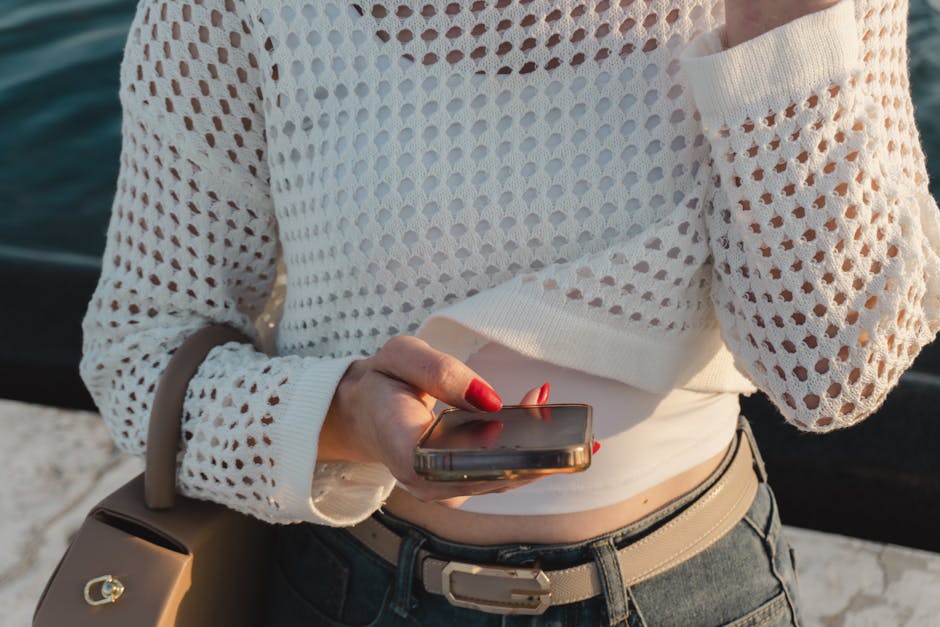
Dressing for a British summer means accepting one fundamental truth: the weather will not cooperate. June and July in the UK can deliver a 9am drizzle, a blazing lunchtime and a chilly evening breeze, often on the same day. The good news is that smart layering solves almost all of it. This guide walks you through the pieces to reach for, the combinations that actually work, and how to look put-together whether the sun shows up or not.
Why Layering Is the Only Real Strategy for UK Summer
British summers are unpredictable by nature. Temperatures in June 2026 can swing from 13°C in the morning to 26°C by early afternoon, then drop again once the sun dips. Packing a single-layer outfit means you are either overdressed or caught out. Layering lets you respond to whatever the day throws at you without sacrificing style.
The key is building outfits from lightweight, packable pieces that add warmth without bulk and fold down small enough to tuck into a bag. Think breathable fabrics, relaxed silhouettes and a neutral-leaning colour palette that lets everything work together.

The Core Pieces Every British Summer Wardrobe Needs
You do not need a huge wardrobe overhaul. A handful of the right pieces covers almost every scenario a UK summer produces.
A lightweight linen or cotton shirt. Worn open over a camisole or tied at the waist over a sundress, this is your most useful layer. Linen is especially good because it breathes in heat and adds a layer of warmth when the cloud rolls in.
A fine-knit cardigan. A merino or cotton-blend cardigan in a neutral tone (stone, soft white, sage) pairs with dresses, wide-leg trousers and denim alike. It packs into almost nothing.
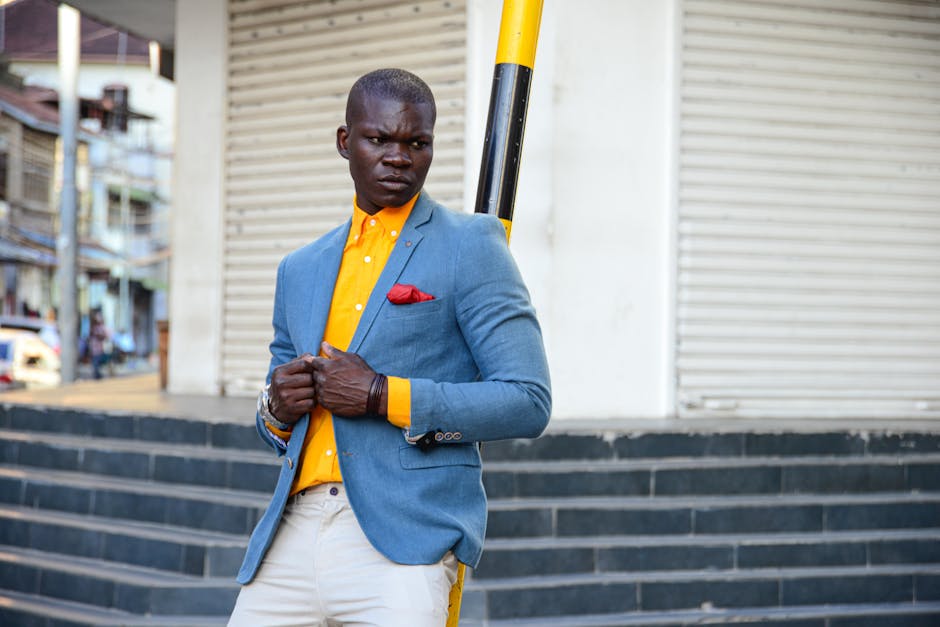
A tailored blazer in a summer fabric. Linen blazers and unstructured cotton blazers are having a strong moment in 2026. They elevate any outfit and double as a lightweight jacket on cooler evenings.
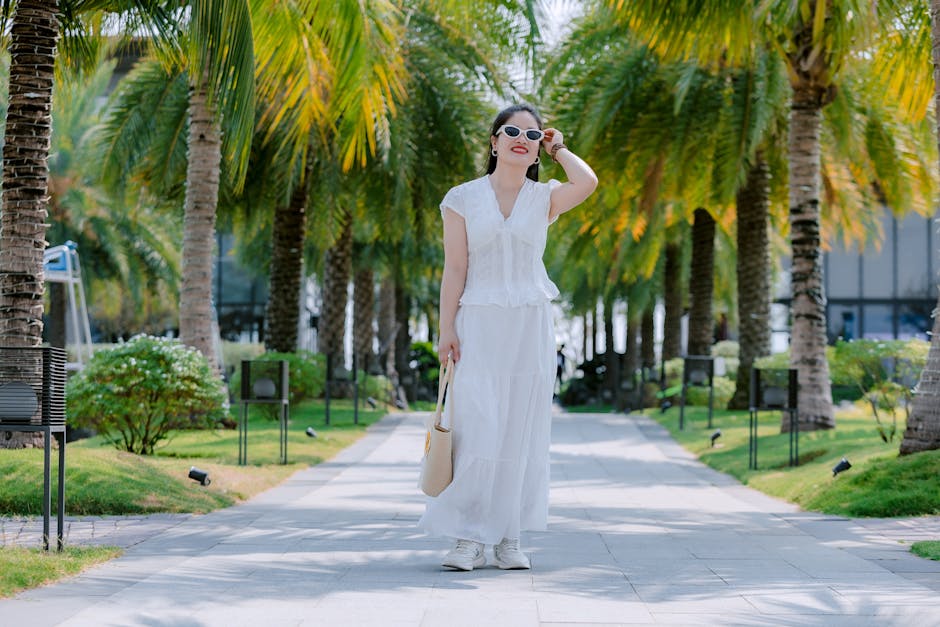
A versatile midi dress or slip dress. Worn alone in the warmth, these are the base layer everything else goes over. Choose a relaxed cut in a breathable fabric like viscose, cotton or silk.
A packable lightweight jacket. For days when rain is genuinely forecast, a longline shirt jacket or a thin mac provides real weather protection without the bulk of a full coat.
How to Build a Layered Outfit Step by Step
A well-built layered outfit has three components: a base, a mid-layer and an outer layer. In summer, these should all be lightweight enough that wearing two or three at once still feels comfortable.
Start With Your Base
Choose a breathable foundation: a slip dress, a fitted cotton tee, a linen camisole or a short-sleeved midi dress. This is what you will be wearing when temperatures peak, so it needs to work on its own.
Add a Mid-Layer You Can Tie or Remove
Drape a fine-knit cardigan over your shoulders or knot a linen shirt at the waist. This layer does most of the temperature-regulating work during the day. Practise removing and retying it quickly so it becomes second nature.
Bring an Outer Layer in Your Bag
A lightweight blazer or packable jacket lives in your bag until you need it. For British summers, always bring one. Always. Even if it looks like it will be 25°C all day.
Fabrics to Reach For (and Ones to Avoid)
Fabric choice matters more in transitional weather than any other season. The right materials keep you comfortable as the temperature shifts; the wrong ones leave you either overheating or shivering.
Reach for: linen, cotton, viscose, lightweight merino wool, silk and chambray. These breathe well in heat and provide a small but meaningful buffer against cooler air.
Avoid: heavy synthetics that trap heat, thick denim, and any fabric that does not breathe. Polyester blouses can feel fine at 18°C but become uncomfortable quickly if the temperature rises.
Colour and Pattern: Making Layers Look Intentional
One reason layering looks messy on some people is mismatched colour. Keep it cohesive by anchoring your outfit in a neutral base (white, cream, camel, soft grey or navy) and adding one or two pieces with colour or print. A floral midi dress with a plain stone linen shirt on top looks considered. Mixing three bold prints rarely does.
Tonal dressing works especially well for summer layering. Try different shades of the same colour family: a cream slip, a soft tan cardigan and a camel blazer. It reads as polished and takes almost no effort to put together in the morning.
Where to Shop Lightweight Layers at a Discount
The best news about building a British summer wardrobe is that you do not need to pay full price. Secret Sales regularly features premium and designer brands across exactly these categories: linen shirts, fine-knit cardigans, tailored blazers and slip dresses, often at significant reductions on the original retail price. Checking the womenswear and occasionwear flash sales is a smart way to pick up quality pieces in breathable fabrics without overspending.
Look out for brands known for quality summer fabrics and relaxed tailoring. A well-made linen blazer from a premium label, bought at a flash-sale price, will last several summers and earn its cost per wear very quickly.
FAQs
What is the best fabric for British summer layering?
Linen is the single best fabric for UK summer layering. It is breathable in warm weather, adds a light layer of warmth when temperatures drop, and looks good worn open over other pieces. Cotton and lightweight merino are close runners-up.
How many layers should I plan for a UK summer day out?
Three layers is the practical ideal for a British summer day: a breathable base layer, a removable mid-layer such as a cardigan or linen shirt, and a packable outer layer (blazer or light jacket) kept in your bag. This covers temperatures from around 13°C up to 26°C.
Can I wear a summer dress in the UK without getting cold?
Yes, with the right layers. Wear a midi or slip dress as your base and add a fine-knit cardigan or an open linen shirt over the top. Carry a lightweight blazer or jacket for the evening. Choose a dress in a breathable fabric like viscose or cotton rather than a heavy synthetic.
What colours work best for layered summer outfits?
Neutral tones work best because they are easy to mix and match. Stone, cream, white, soft navy and sage green all layer well together. Tonal dressing, using different shades of the same colour, is a particularly reliable approach for achieving a polished, intentional look without much effort.