
As the temperature drops and the days shorten, many people find themselves drawn to different scents. It is not that a summer favourite stops being a favourite. How a fragrance wears can be shaped by the air around you, the warmth of your skin and the general mood of a season, so a light, airy scent that felt perfect in July can feel a little lost against a heavy coat in November. This guide is here to help you choose a fragrance that suits the cooler months, whether you are shopping for yourself or thinking ahead to gifts.
Understanding Fragrance Families
Fragrance is typically grouped into broad families, and knowing roughly where your preferences sit can take a lot of the guesswork out of choosing. Here is a quick overview of the main ones and how they tend to wear in colder weather.
Fresh and citrus: Clean, bright, and often light. These tend to shine in warmer months but can still work in winter if that is what you love. Choosing a richer version within this family, such as an eau de parfum, can be a good way to bring them into the colder months.
Floral: A wide family that runs from delicate single-note florals to rich, heady blends. Warmer florals with depth, such as rose, jasmine, or tuberose in a richer base, tend to suit autumn and winter particularly well.
Woody: Notes such as sandalwood, cedar, vetiver, and oud sit naturally in cooler weather. They tend to feel grounded and substantial, which complements heavier fabrics and shorter days.
Amber: Often the go-to for autumn and winter, these fragrances lean into warmth and richness. Resins, balsams, vanilla, and spice create depth that feels well suited to cold evenings.
Gourmand: Often overlapping with the amber family, gourmand fragrances are built around edible-smelling notes like vanilla, caramel, or tonka bean. They have grown in popularity and tend to feel especially cosy when it is cold outside.
There are no rules about what you can or cannot wear in a given season. These are simply observations about what tends to feel harmonious when the weather turns.

Eau de Toilette, Eau de Parfum, and Parfum: What Is the Difference?
Fragrance concentration refers to the proportion of aromatic compounds in the formula. It affects the character and richness of the scent, though the relationship between concentration and performance is not straightforward and varies considerably between fragrances and individuals. The labels are also guidelines rather than strict standards, so it is worth treating them as a general pointer rather than an exact measure.
Eau de Toilette (EDT): Generally the lightest concentration of the three. EDTs often feel fresher and more transparent, which suits casual, daytime wear well.
Eau de Parfum (EDP): A higher concentration that typically produces a fuller, richer impression of a fragrance. Many people find EDPs feel more substantial, which can be a draw in autumn and winter.
Parfum (or Extrait de Parfum): The highest concentration of the three. Parfum versions tend to feel the most intense and complex, often revealing the deeper base notes of a composition most clearly.
If you wear a fragrance you already love, trying it in a higher concentration can be an interesting way to explore a different side of the same scent.
Choosing a Fragrance Online
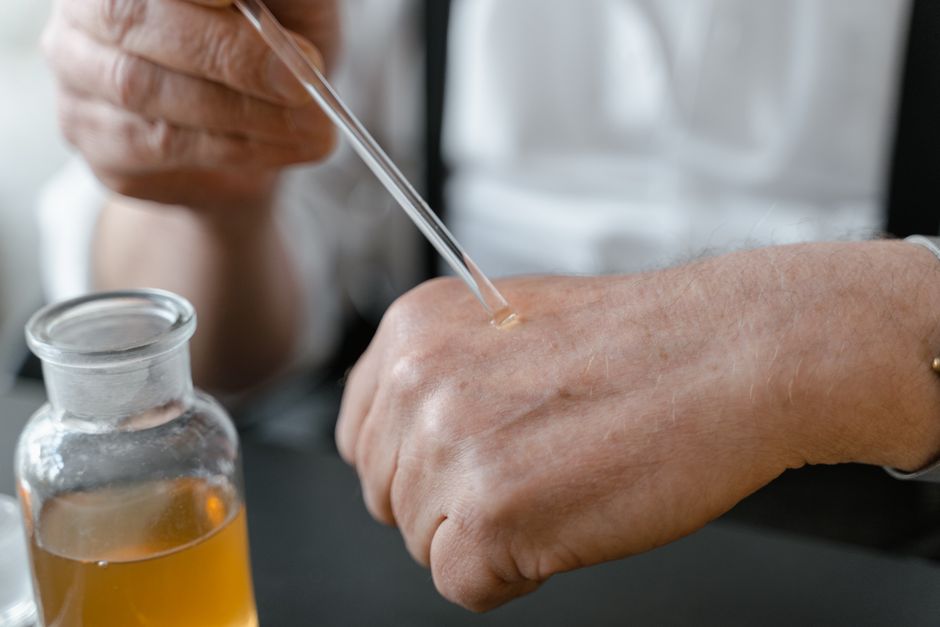
Choosing a fragrance without smelling it first is easier than it sounds, because the family and concentration guides above give you a good map. Start with the family you already enjoy, and check the notes on the product page where they are listed. If you have a fragrance you already love, a higher concentration of the same scent, or another from the same family, is a natural next step.
Buying Fragrance as a Gift
Fragrance is one of the most personal gifts you can choose, which is precisely what makes it feel so considered when you get it right. If you are shopping for someone else, here is how to approach it.
Start with what you already know
The safest and often most appreciated option is to buy someone a fragrance they already wear and love, or a size they would not normally treat themselves to. Check the bottle on their shelf, or ask someone close to them, and note the name, the brand, and whether it is an EDT or EDP.
When you are unsure of their taste
If you are buying for someone whose preferences you are less certain about, think about broader descriptors rather than specific notes. Do they tend to wear things that feel clean and understated, or rich and distinctive? Do they favour something subtle for daytime use, or something with more presence for evenings? These questions can help you narrow down the family.
Consider the presentation
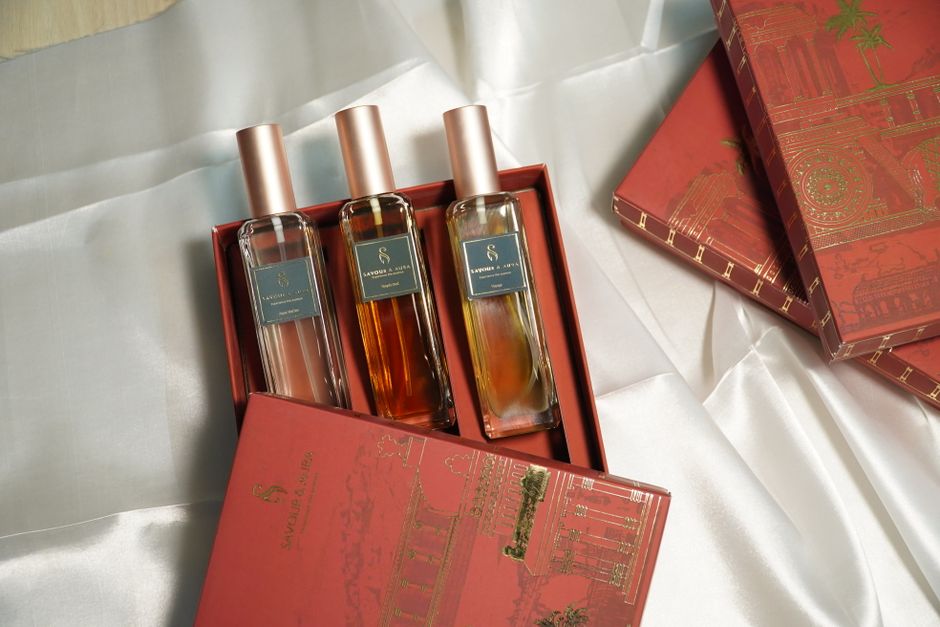
Fragrance gift sets, where available, often include a smaller travel size or a complementary product. These can offer good value and make the gift feel more complete, particularly when buying for someone who travels frequently.
Choosing a fragrance, whether for yourself or someone else, does not need to be complicated. Take your time, trust your instincts, and remember that the most important measure is simply whether it feels right for the person wearing it, you included. The cooler months are a good time to explore something a little richer or more enveloping, so it is well worth browsing what is currently available.