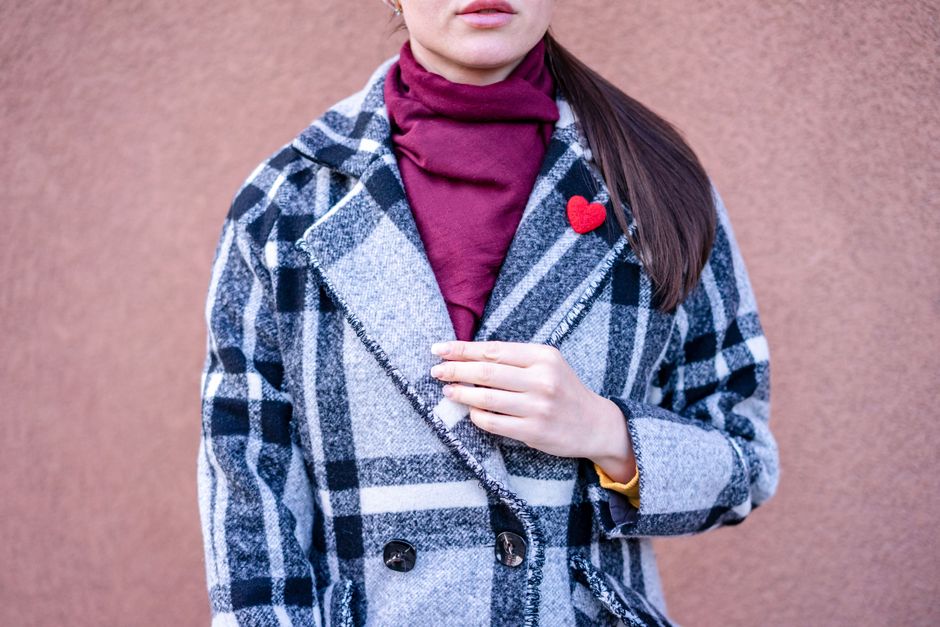
As the year winds down and the days get shorter, cold-weather dressing becomes less about reacting to the weather and more about being quietly prepared for it. Getting your layers right means you can move through the day comfortably, from a chilly morning to a warm indoor space to an evening out, without having to rethink your entire wardrobe. A few well-chosen layers are all it takes to stay warm and look put together.
The Layering Formula: Three Layers, One System
A reliable approach to cold-weather dressing is a three-layer system. Each layer has a specific job, and together they give you flexibility throughout the day, because you can add or remove a layer as conditions change.
The Base Layer
The base layer sits closest to your skin. Its job is to manage moisture and keep you comfortable rather than clammy. A well-chosen base layer should fit close to the body without being restrictive. Think lightweight long-sleeve tops, fitted vests, or fine-knit underlayers. It is rarely seen, but it helps everything else work well.
The Mid Layer
The mid layer is where warmth lives. This could be a chunky knit jumper, a fleece, a quilted gilet, or a heavier cardigan. Its role is to trap warm air close to your body. The mid layer is also the one most visible in relaxed, indoor settings, so it is worth choosing something you are happy to wear on its own.
The Outer Layer
The outer layer is your protection from the elements, such as wind and rain, and it helps hold in the warmth you have built up underneath. Look for features that suit your day, such as wind or water resistance, and a length you find comfortable. Fit matters as much as function: you need enough room to layer underneath without the coat looking shapeless on the outside.

Fabrics That Perform in the Cold
Not all fabrics perform equally in the cold. Choosing the right materials makes a noticeable difference to how comfortable you feel throughout the day.
Merino wool is one of the most versatile cold-weather fibres. It tends to regulate temperature well, is naturally odour-resistant, and often feels soft rather than scratchy against the skin. Useful for base layers and mid layers alike.
Wool in its broader forms, such as lambswool and Shetland, is a reliable insulator, and often appears in chunky knits. It retains warmth even when slightly damp, which makes it a dependable choice for outerwear and mid layers.
Fleece is lightweight, quick-drying, and an excellent insulator for its weight. It works particularly well as a mid layer under a coat.
Padded and quilted outerwear (typically filled with down or synthetic alternatives) is designed to trap heat efficiently. Where listed, fill weight, or fill power for down, can help you compare warmth for the weight.
Cotton is comfortable in many contexts, but it absorbs moisture and can feel cold and heavy when damp. In cold, wet conditions, it is worth having a more moisture-resistant layer over it.
The Often-Overlooked Extras
Layering a great coat over a good jumper is a solid start, but cold air finds its way in at the edges. These are the areas worth paying attention to.
Footwear and Socks
Warm feet make a surprising difference to how comfortable the rest of you feels. Wool-blend or thermal-labelled socks can make a real difference inside boots. For footwear, look for lined styles or boots with waterproof or water-resistant finishes if you are regularly walking in wet conditions. A rubber sole with a good tread helps with grip, and a thicker sole adds some insulation from cold ground.
Gloves
Hands are exposed constantly, so lined or insulated gloves tend to be the warmest option. If you commute or spend time outdoors, look for gloves described as lined or insulated on the product listing. Touchscreen-compatible fingertips are a useful feature if you are often on your phone.
Hats and Scarves
The head and neck are often left uncovered, so adding a hat and scarf is one of the easiest ways to feel warmer. A well-fitted beanie or ribbed hat, ideally in wool or a wool blend, is one of the simplest upgrades you can make to a winter outfit. A substantial scarf does double duty: it keeps the neck warm and can be tucked inside a coat for extra protection on colder days.

Staying Stylish While Staying Warm
Looking polished in layers usually comes down to fit and proportion rather than the number of layers. A few principles help.
Keep base layers fitted, and choose mid layers with a streamlined shape so they sit neatly under outer layers without adding visual bulk.
Make sure your coat has enough room for the layers underneath, so it does not pull at the shoulders or chest.
Stick to a cohesive colour palette across your layers. A neutral or tonal scheme, such as navy, grey and charcoal, looks cohesive and considered.
Let one layer do the visual work. If the coat is a statement piece, keep the knitwear simple. If the jumper is the focus, let the coat be a clean, unfussy shape.
Scarves and hats in complementary tones pull an outfit together rather than competing with it.
The goal is to feel comfortable enough to forget about the cold, because confidence in what you are wearing tends to show.
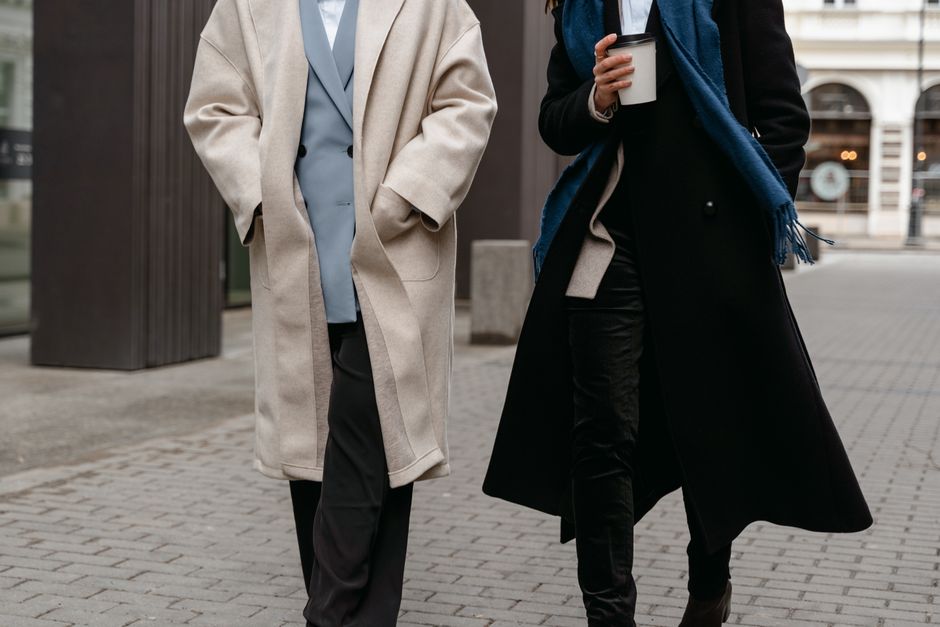
Final Thoughts: Building Your Winter Layers
Cold-weather dressing gets easier once you understand what each layer is doing. Start with a comfortable base, add warmth in the middle, and protect yourself on the outside. Add the finishing touches, from socks and gloves to a hat and scarf, and choose fabrics that do their job in cool and damp conditions. Done right, winter layering is an opportunity to build more considered, more interesting outfits.
FAQs
What is the best base layer fabric for cold weather?
Merino wool is widely regarded as one of the best base layer fabrics for cold weather. It tends to regulate body temperature, helps manage moisture, and often feels soft rather than itchy. Synthetic moisture-wicking fabrics are also effective, particularly for more active use.
Why is cotton not ideal in cold, wet conditions?
Cotton is comfortable in many situations, but it absorbs moisture readily and takes a long time to dry. When it becomes damp, whether from rain or perspiration, it loses its insulating properties and can feel cold against the skin. In cold or wet weather, wool, fleece, or synthetic fabrics tend to perform more reliably.
How do I layer without looking bulky?
The key is fit at each layer. Keep base layers close-fitting and choose streamlined mid layers so they do not add volume under your coat. Choose an outer layer with enough room to accommodate the layers beneath without stretching across the shoulders. Sticking to a neutral or tonal colour palette across all layers also helps the overall look feel put together.
Are quilted and padded jackets suitable as mid layers?
Lightweight quilted or padded gilets and jackets can work well as mid layers under a coat, particularly slimmer styles. They are designed to trap heat without adding much weight. Check that your coat has enough room for the extra volume.