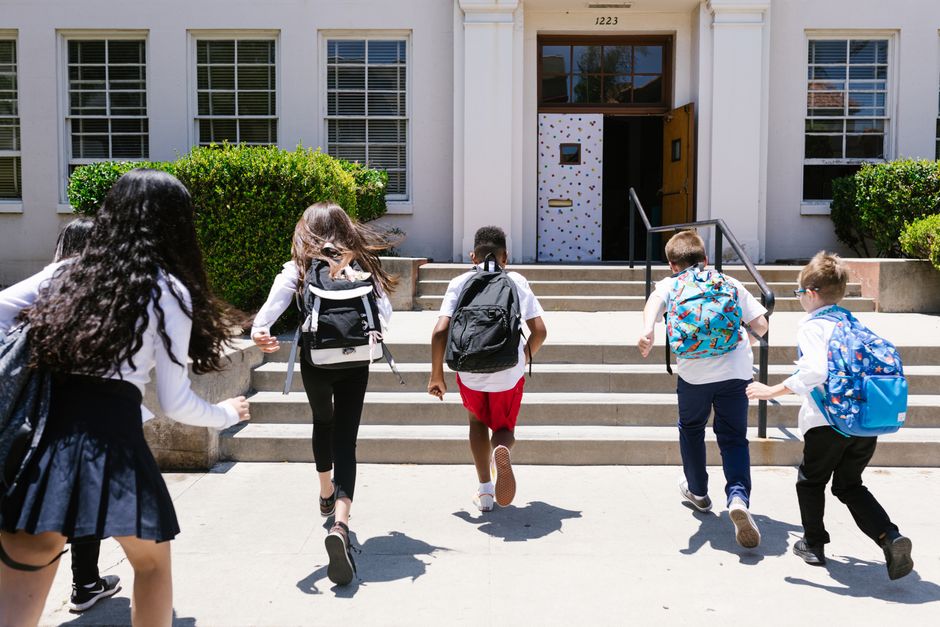
Every August brings the same familiar mix: the optimism of a fresh start, the mental list of everything your child has outgrown, and the quiet dread of how much it all adds up to. Back to school is one of the year's bigger household spending moments, but it doesn't have to feel chaotic. A considered approach, knowing what to invest in, what to buy in bulk, and how to make everything last, takes a lot of the stress out of it. This guide is here to help you do exactly that.
Building a School-Year Wardrobe That Lasts
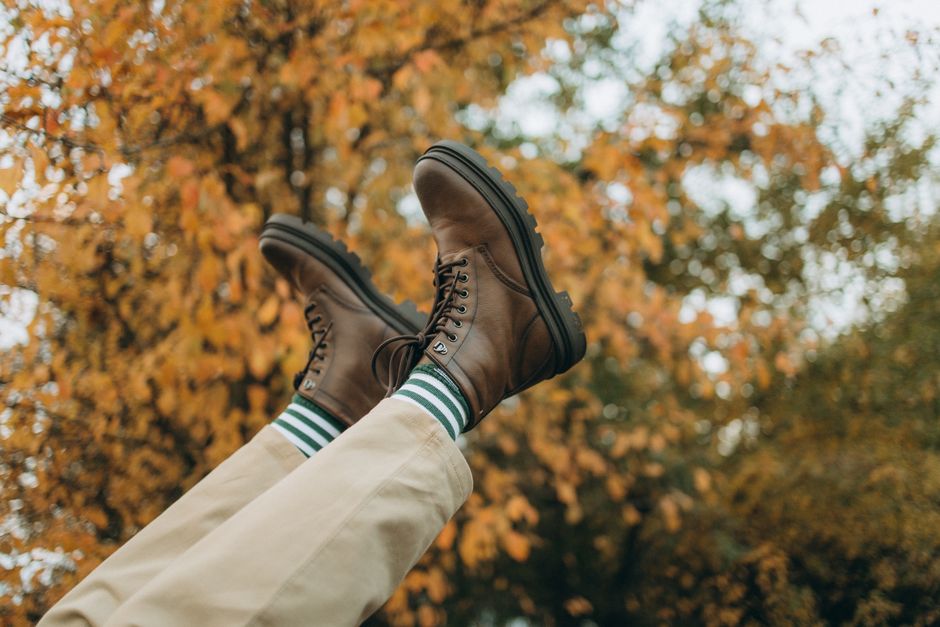
School kit is some of the hardest-working gear your child will ever own. It goes on five days a week, through lunch breaks, PE warm-ups, art lessons, and the walk home in drizzle. Shoes and bags in particular take a daily battering. That intensity is worth keeping in mind when you're deciding where to spend and where to save.
Quality matters most on the items that face the most wear. A sturdy pair of school shoes or a well-made bag will outlast a cheaper version many times over, and the cost-per-wear calculation usually favours spending a little more upfront. On the other hand, items that are easily replaced or worn less frequently are natural candidates for a more budget-conscious approach.
The goal isn't to spend the most. It's to spend wisely, so you're not replacing the same things twice before Christmas.

What to Prioritise When You're Shopping
Not everything on the list deserves equal attention. It helps to split it into two broad categories: items where fit and durability genuinely matter, and items where value and volume make more sense.
Worth investing in
School shoes: Worn daily, they need to support growing feet through a full school day. Prioritise a good fit and a sole that can handle real-world conditions, from the playground to the walk home.
School bags: Carried every single day and loaded with books, PE kit and lunch, a bag takes more punishment than almost anything else your child owns. Cheaper bags tend to fail at the straps, zips and base first, so a well-made bag with reinforced seams and sturdy fastenings genuinely earns its cost over a year.
Outerwear: A coat or waterproof jacket earns its keep from September through to spring. Look for something with room to layer underneath and fastenings a child can manage independently.
Core uniform basics: Trousers, skirts, and blazers (where required) are worth spending a little more on if they hold their shape and colour after repeated washing. Always check your school's uniform policy before buying, as requirements vary significantly between schools.
Where value is the priority
Socks, tights, and other basics that go missing or wear through quickly.
PE kit that gets heavy use and may need replacing mid-year regardless.
Stationery and accessories, where cheaper options often do the job perfectly well.
Getting the Fit Right
Children grow unpredictably, and school kit bought in late August needs to survive until at least the spring. The temptation is to buy small to save money, but ill-fitting shoes and clothes are uncomfortable and often end up unworn.
A practical middle ground is to allow a little growing room without going so large that a coat swamps a child completely. For shoes especially, it's worth getting feet properly measured before buying, as sizing can shift more than you'd expect over a summer. With bags, think about proportion too: a bag that's sensible for the size of the child, with adjustable straps, is easier to carry comfortably than an oversized one.
At the start of each term, it's a good habit to do a quick check: try on last season's shoes, make sure the coat still fits comfortably over a jumper, and confirm nothing has been quietly outgrown over the holidays. Catching these things early avoids a last-minute panic.
Making It Last the Year
Good kit lasts longer when it's looked after. A few simple habits make a real difference across a full school year.
Label everything. Name labels on coats, shoes, and bags help reduce losses. Iron-on or stick-in labels are quick and effective.
Look after bags. Try not to overload them, do zips up fully to protect the teeth, and wipe clean rather than machine-washing where the care label advises, so straps and structure hold up all year.
Rotate where you can. If budget allows, having two pairs of school trousers or two shirts in rotation means each item goes through the wash less often, extending its life.
Follow care instructions. Washing school clothes at the right temperature and turning them inside out helps hold colour and shape for longer.
Dry properly. Tumble-drying everything on high heat is one of the fastest ways to shrink fabric and shorten a garment's life. Air-drying or using a lower heat setting pays off over time.
Store shoes properly. Stuffing shoes with paper after wet days helps them hold their shape and dry without cracking.
Shopping Smart Without the Rush
Back-to-school shopping done at the last minute is almost always more expensive and more stressful. The best approach is to start a couple of weeks before term, with a clear list based on what your child actually needs rather than a sweep through every department.
Check what still fits before you buy anything new. Children often have perfectly usable shoes, bags or uniform tucked away that had plenty of life left in them. A quick inventory saves money and reduces the volume of new things you actually need.
Quality school shoes, bags and children's essentials are regularly available at reduced prices outside of the traditional back-to-school window. Buying well-made pieces at genuinely good prices year-round means you're not tied to a single busy season. At Secret Sales, that kind of quality is available at reduced prices all year, not just in the August rush.
When the choice is between the cheapest option and something better made, apply the durability test: will this still be going strong in six months? For shoes and bags especially, the answer usually points towards spending a little more. For items that have a short shelf life regardless, the budget option is often the smarter call. If you're also thinking about how to invest or save on clothing more broadly, our honest wardrobe guide is worth a read.

FAQs
What should I prioritise spending on for back to school?
School shoes and bags are the two areas where quality most directly affects how long something lasts. Both are used every day and take constant wear, so spending a little more upfront tends to save money over the course of the year. A good coat is worth investing in too, and core uniform basics are worth a little more if they hold their shape through regular washing.
How can I make school shoes and bags last longer?
For shoes, get the fit right from the start, stuff them with paper to dry after wet days, and keep them for school use rather than everyday play. For bags, avoid overloading them, do zips up fully to protect the teeth, and clean them according to the care label. Labelling both reduces the chance of them going missing.
When is the best time to buy back-to-school clothing?
Starting two to three weeks before term gives you time to check what still fits, identify genuine gaps, and shop without rushing. Quality children's essentials are often available at reduced prices outside the traditional late-summer window, so you don't need to wait for the busy August period to find well-made kit at good prices.
Do I need to buy everything on my school's uniform list?
Uniform requirements vary significantly between schools, so it is always worth checking your own school's specific policy before purchasing. Some schools are flexible about certain items while others have strict requirements. Contacting the school directly or checking their website is the most reliable way to confirm exactly what is needed before term starts.