Sun, salt water and chlorine are three of the biggest threats to colour-treated and heat-styled hair. A week at the beach can undo months of salon work, leaving hair brassy, dry and snapped at the ends. The good news is that a small amount of prep and the right products will keep your colour vibrant and your condition intact, from the first dip to the flight home.
Why Does Holiday Sun Damage Hair Colour?
UV rays break down the artificial pigment molecules in colour-treated hair, causing colour to fade and shift. Blonde hair turns brassy, brunettes lose their depth, and reds (notoriously the hardest colour to hold) can wash out within days of sun exposure. Salt water compounds the damage by drawing moisture from the hair shaft and lifting the cuticle, making colour bleed faster. Chlorine is particularly brutal on blonde and bleached hair because it bonds with colour molecules and can turn them an unmistakable greenish tone.
Heat-styled hair (think regular blow-drying and straightening) already has a compromised cuticle, so it absorbs all of the above more readily than virgin hair. Knowing this, a bit of protective effort before you even hit the beach pays off hugely.
Before You Go In the Water
Saturate hair with fresh water first
Hair is like a sponge. If you wet it thoroughly with clean, fresh water before swimming, it absorbs far less salt water or chlorine when you get in. This single trick takes seconds and makes a genuine difference to how your hair feels afterwards.
Apply a leave-in conditioner or hair oil
Coat hair in a leave-in conditioner or a few drops of a protective oil before swimming. This creates a barrier between the cuticle and the water. Look for formulas with ingredients such as argan oil, sunflower oil or ceramides, which help seal the cuticle rather than just sitting on top of it.
Use an SPF hair mist
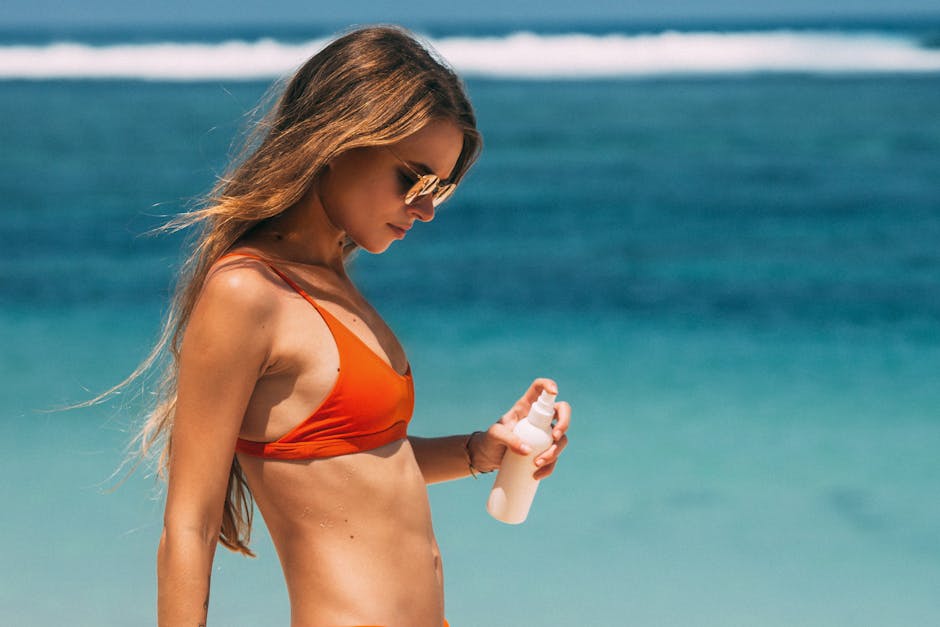
UV protection for hair has improved enormously in recent years. A lightweight SPF mist (often labelled as a sun filter or UV protector for hair) sprays through the lengths and sits on the hair shaft to deflect UV rays. Apply it before going out in the sun, not just before swimming. Reapply after every swim. If you also want to protect your skin, our guide to SPF skincare products this summer is worth a read.
Your Beach Bag Hair Essentials
- SPF hair and scalp mist (look for UV filters and heat protection in one)
- Colour-safe, sulphate-free shampoo for rinsing out at the end of each beach day
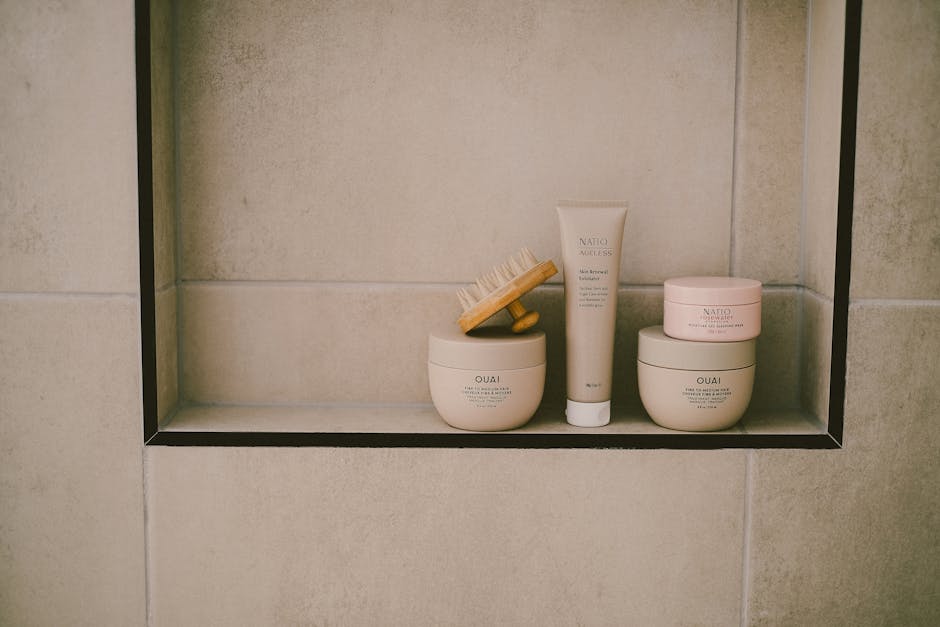
- Intensive conditioner or hair mask to use two to three times during the week
- Leave-in conditioner or protective hair oil applied before swimming
- A wide-tooth comb for detangling wet hair gently from ends to roots
- A silk or satin scrunchie to tie hair up without causing breakage
After Swimming: The Rinse and Repair Routine
The longer salt and chlorine sit on the hair, the more damage they do. Rinse hair with fresh water as soon as you get out of the sea or pool. You do not need to shampoo every single time, but a thorough cool-water rinse removes the bulk of the minerals and chemicals before they settle.
At the end of each day, use a colour-safe, sulphate-free shampoo. Sulphates strip colour faster and dry out an already-stressed cuticle. Follow with a conditioner every single wash, and add in a deeper mask treatment two or three times across the week. Apply the mask to damp hair, leave it under a towel for ten minutes while you shower, and rinse thoroughly.
Try not to sleep on wet hair
It is tempting after a long beach day to go to bed with damp hair. Wet hair is more elastic and fragile, so tossing around on a cotton pillow causes breakage and frizz. If you can, give hair a quick blast on a low heat setting before bed, or loosely braid it to minimise friction.
Smart Style Choices That Also Protect
Protective styles are not just practical, they look great on holiday too. A loose braid, a twisted updo or a bun keeps the lengths away from direct sun and reduces the surface area exposed to water. A wide-brimmed hat is the most effective UV shield of all and requires zero product.
If you do want to wear hair down, at least keep the SPF mist going throughout the day and try to sit in the shade during the hottest hours (roughly 11am to 3pm in most Mediterranean and tropical destinations). Pairing your haircare routine with a solid summer skincare routine will keep you fully protected from head to toe.
Shop Holiday Haircare at a Discount
The best part? You do not need to spend a fortune on specialist holiday haircare. Secret Sales regularly features premium and professional hair brands at significant discounts, covering everything from SPF hair mists and colour-protecting shampoos to intensive masks and leave-in treatments. Stocking up before you travel means you can shop thoughtfully and spend less, rather than panic-buying at an airport or holiday pharmacy at full price.
Browse the current Beauty and Wellness sale to find discounted haircare from brands you already trust, and build your beach bag kit without the usual salon-counter price tag.
FAQs
Does salt water actually damage colour-treated hair?
Yes. Salt water lifts the hair cuticle and draws out moisture, which causes colour molecules to escape more easily. Colour-treated hair fades faster at the beach than in everyday conditions. Rinsing with fresh water before and after swimming significantly reduces this effect.
How do I stop my blonde hair going green in the pool?
The green tinge on blonde or bleached hair is caused by copper compounds in pool water bonding to the hair shaft, not the chlorine itself. Wet your hair with fresh water before swimming to reduce absorption, use a protective leave-in product, and wash with a clarifying or chelating shampoo after each swim to remove mineral build-up.
Can I use a regular SPF sunscreen on my hair?
Skin sunscreens are formulated for skin, not hair, and most will leave hair greasy and weighed down. A dedicated SPF hair mist or UV-filter spray is designed to protect the hair shaft without affecting texture or appearance. These are widely available from professional haircare brands.
How often should I use a hair mask on holiday?
Two to three times across a one-week holiday is enough to replenish moisture without over-conditioning. Apply to clean, damp hair after shampooing, leave for five to fifteen minutes depending on the formula, and rinse thoroughly. Look for masks containing keratin, argan oil, or shea butter for the best results on colour-treated hair.